
We curate the best information from the web on topics of interest to out community. If you have suggestions for additional feeds to add, drop a message in the hub!
- Why it’s good for trees to be fast at least once in their lifetime
 by curtislubbe 20 August 2026 at 3:46 am
Christian Ammer, University of Göttingen, discusses his article: Get out of the starting block quickly—Small initial differences in seed and seedling size affect tree survival and growth over 25 years A race spanning decades—who will win? When seeds fall from old European beech trees during a mast year, several hundred thousand seedlings can sprout across…
- Out of the weeds: Building on lessons learned for better collaboration on aquatic plant management
 by AER | ESE (The Applied Ecologist) 18 August 2026 at 11:00 am
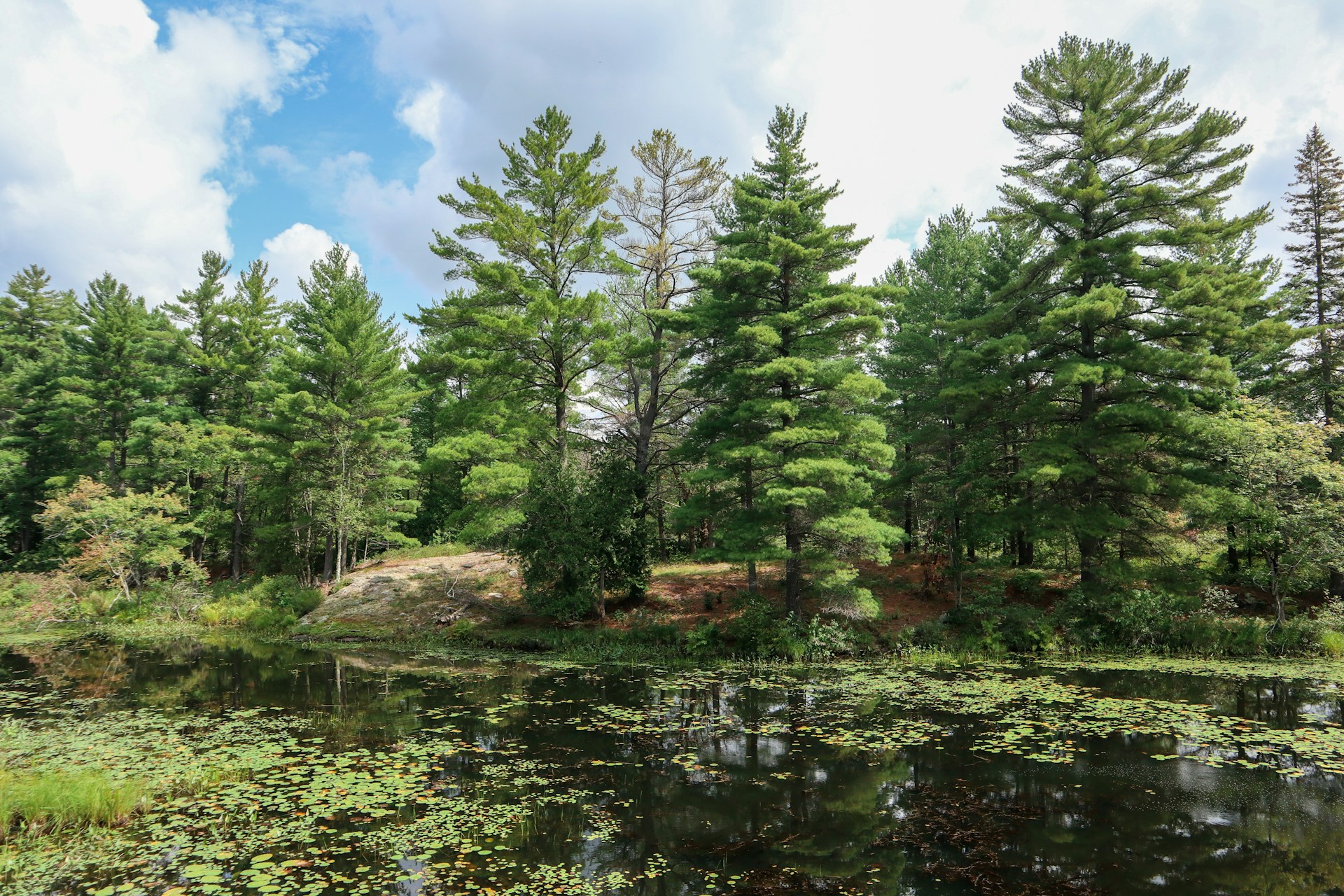
Authors: Erin Smith and Sarah Rijkenberg Collaborative research approaches with local practitioners and community members are creating more meaningful environmental research. This process is often called ‘knowledge coproduction’, and it’s been shown to increase uptake of scientific findings, build interpersonal trust, and strengthen relationships between researchers and practitioners. Co-production is, however, not easy. We are still figuring out the best practices to make it work …
- Whole-plant symphony: The multi-organ coordinated code of growth strategies
 by curtislubbe 18 August 2026 at 3:09 am
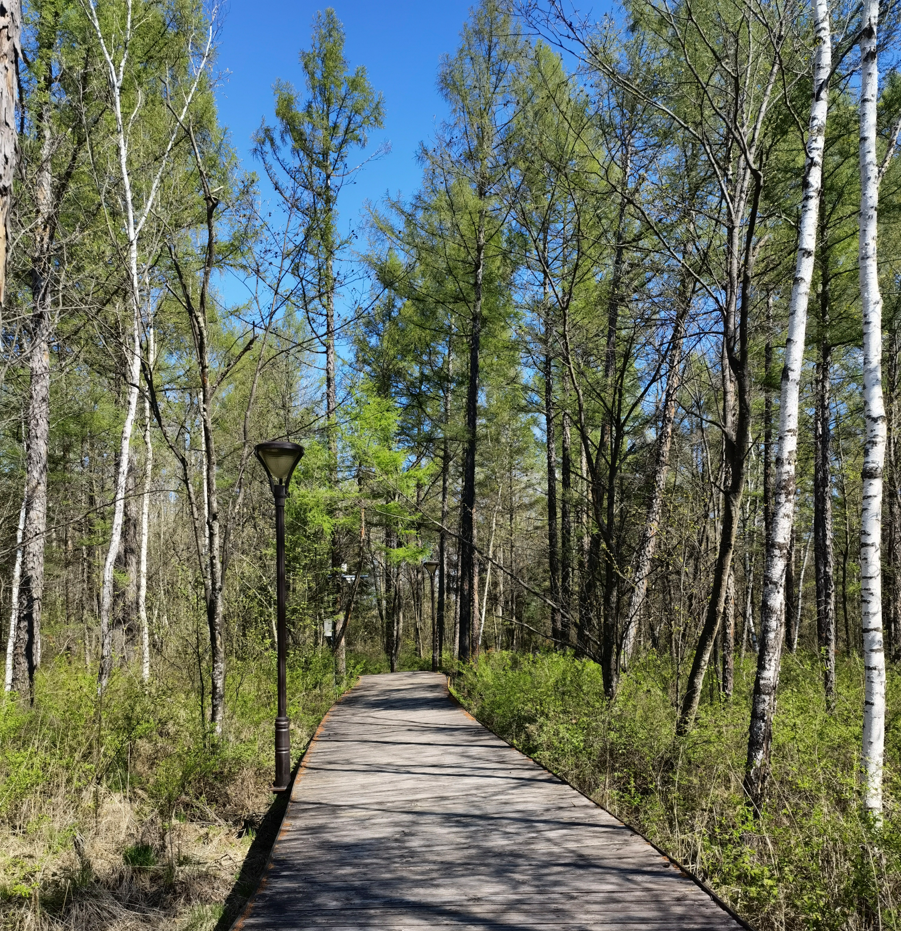
Yong-Jiao Zhou, Institute of Applied Ecology, Chinese Academy of Sciences, discusses their article: Trait networks and the whole-plant economics spectrum: Uncovering key determinants of growth rate across 33 temperate tree species Why do some trees grow fast, while others always seem to lag behind? For decades, ecologists have strived to answer this question. Past research…
- Defense against multiple enemies changes differently across latitudes in an invasive plant and its native congener
 by curtislubbe 13 August 2026 at 5:13 am
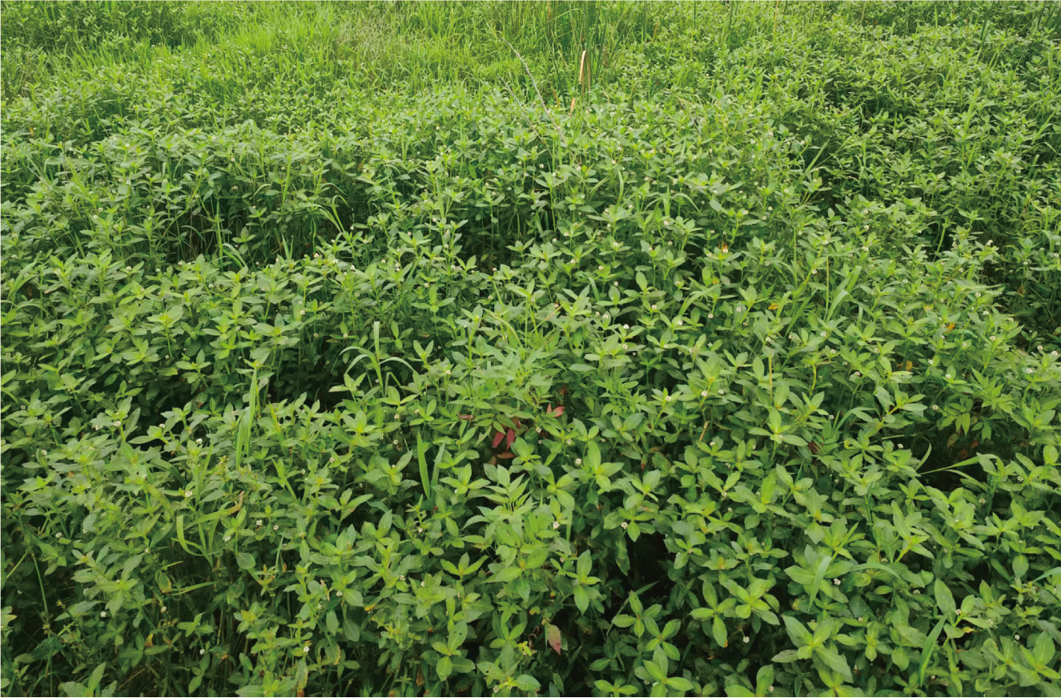
Xinmin Lu, Huazhong Agricultural University, Joshua Lynn, Manchester University, and Evan Siemann, Rice University, discuss their article: Latitudinal patterns in growth and defense against multiple enemies of an invasive species and its native congener Why are some plant species more successful invaders than others? A long-standing hypothesis is that invasive plants differ from native species…
- Why forest cover around your coffee farm matters? Scaling up bird conservation in Colombia
 by Journal of Applied Ecology (The Applied Ecologist) 11 August 2026 at 1:48 pm
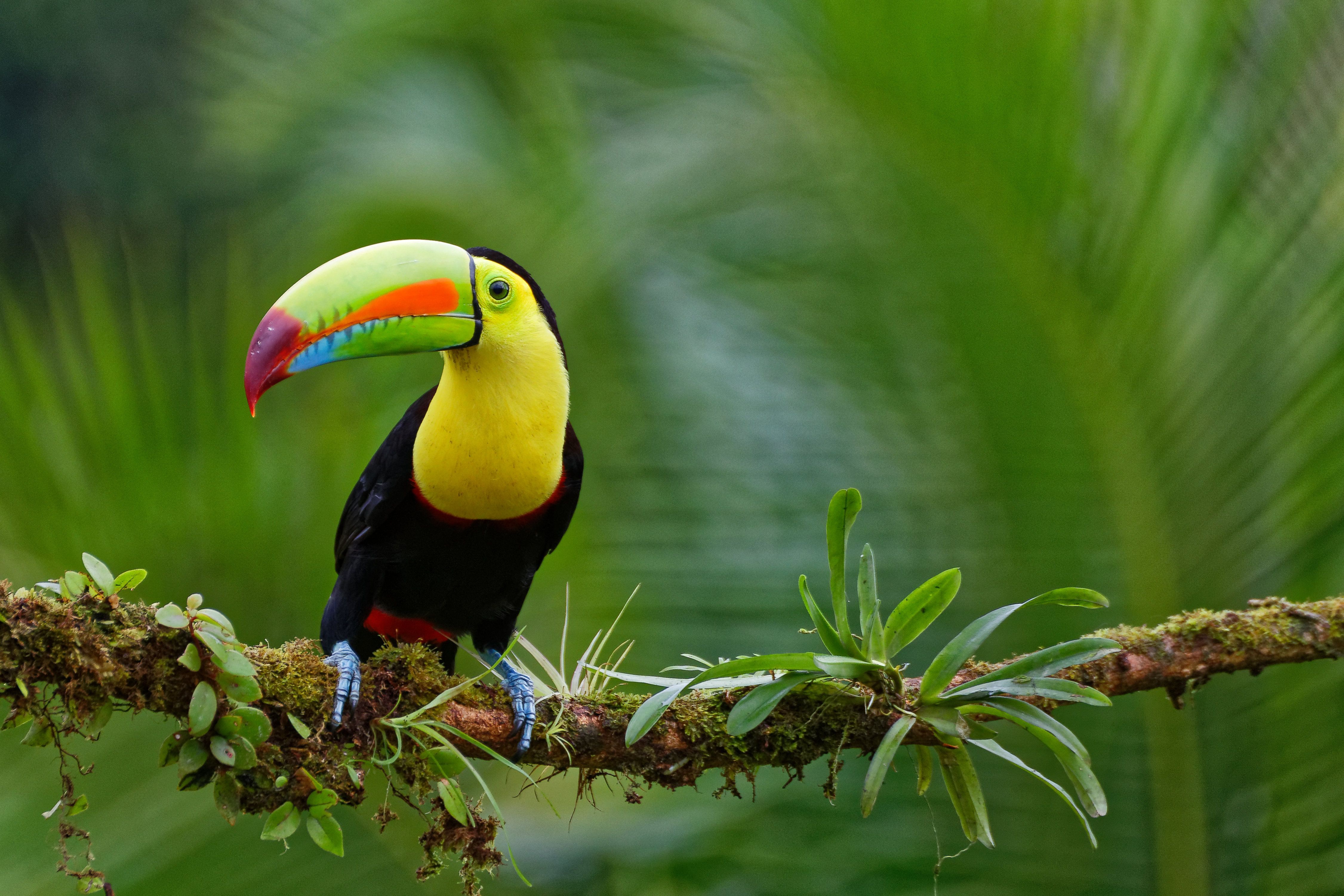
Whenever you walk through a shade-grown coffee farm in the Colombian Andes, it is easy to feel optimistic about biodiversity. Tall trees form a canopy above the coffee shrubs, birds call from every direction, and the system looks far more “natural” than a monoculture field. For years, this kind of agroforestry has been promoted as a win–win solution for farmers and biodiversity. But how much …
- Marine heatwaves are harming human health in surprising ways
 by Ecology Research News -- ScienceDaily 11 August 2026 at 12:09 pm
Marine heatwaves are emerging as a threat not just to coral reefs and fisheries, but to human health and well-being. Researchers warn that unusually hot oceans can fuel stronger storms, trigger harmful algal blooms, reduce seafood supplies, disrupt livelihoods, and contribute to anxiety, grief, and depression in coastal communities.
- Around the hillside: How terrain offers trees a local refuge from climate change
 by curtislubbe 11 August 2026 at 3:34 am
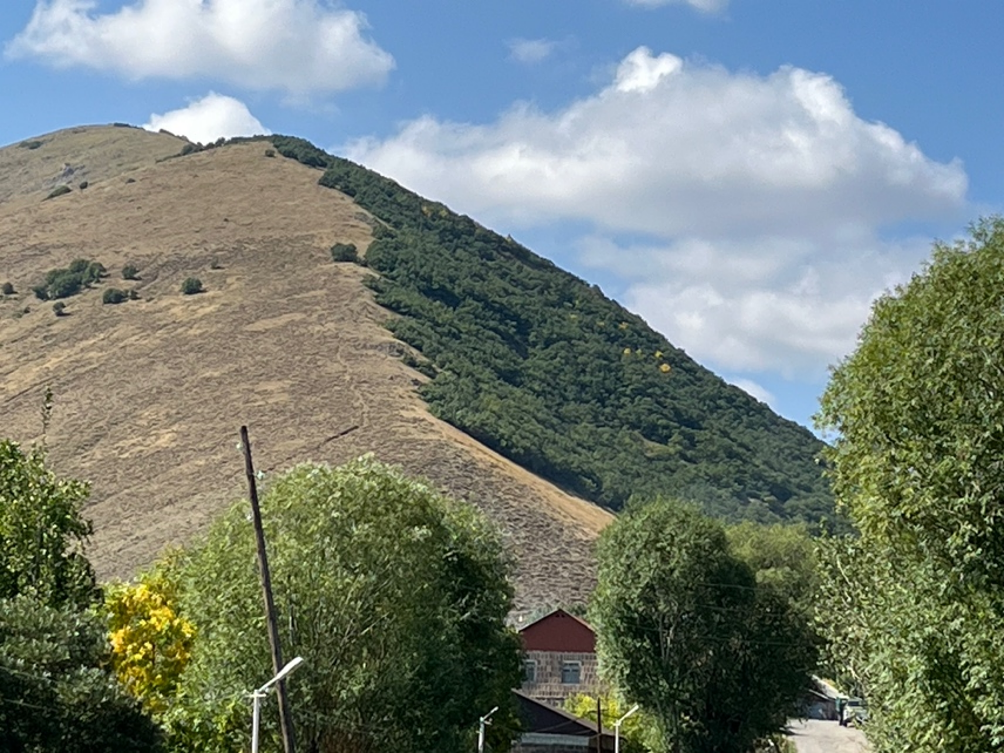
Lauren Jenkins, Duke University, discusses her article: Fecundity and terrain-climate interactions that shape tree niche differences across North America and Europe Terrain shapes tree reproduction When you think about climate change threatening forests, you may picture species migrating miles northward or upslope. But what if refuge is just around the hillside? In forests of the…
- Emerging gastric parasite risks in mountain gorillas: What we found and why it matters
 by Journal of Applied Ecology (The Applied Ecologist) 10 August 2026 at 8:00 am
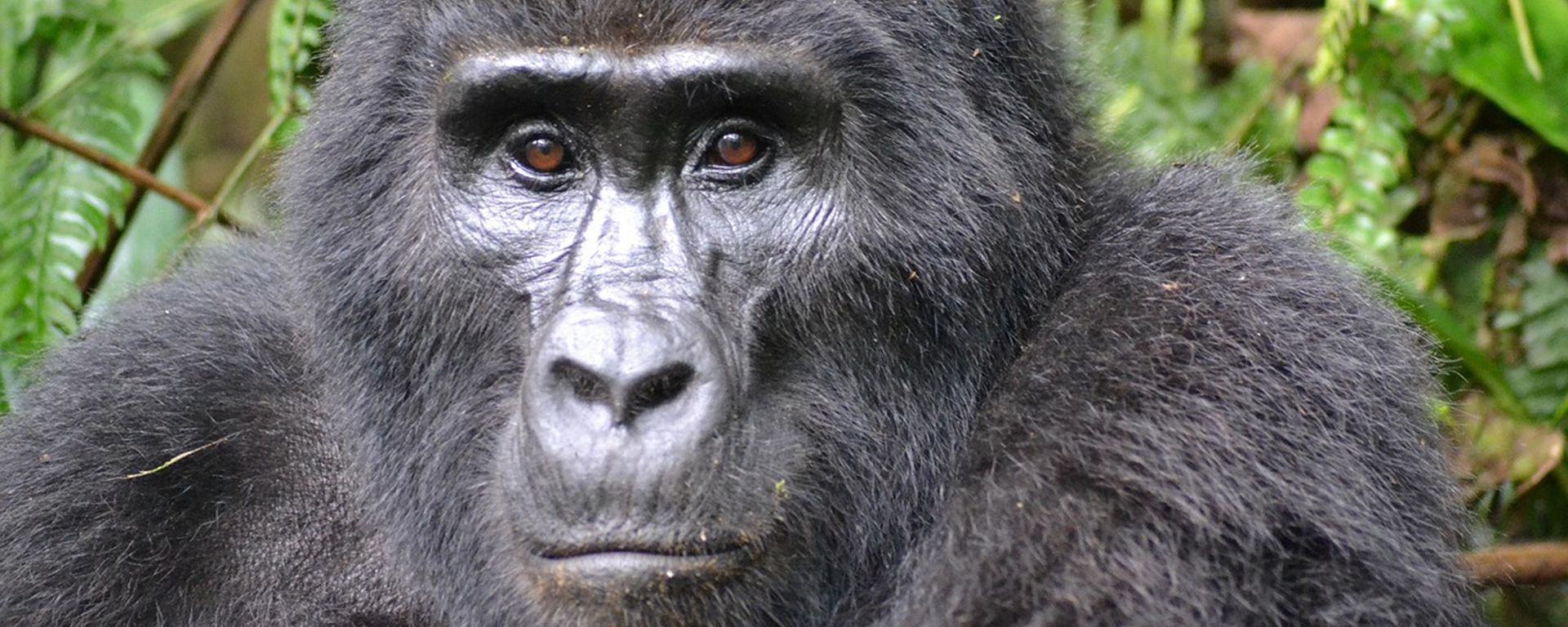
Mountain gorillas are often celebrated as a conservation success story. Their numbers have increased thanks to long-term protection from conservation organisations, park authorities and local communities. However, the remaining two populations live in small, environmentally constrained habitats and recent veterinary records have documented cases of severe gastritis associated with strongylid nematodes in Virunga Massif. This raised an important question for us: are there changes in …
- Critically endangered penguins face higher risk of fisheries competition when fish are scarce
 by Journal of Applied Ecology (The Applied Ecologist) 6 August 2026 at 8:00 am
The decline of the African penguin The African penguin (Spheniscus demersus) population has plummeted by nearly 80% in the past three decades, in part due to competition with the local purse-seine fishery which targets the penguins’ key prey of sardines and anchovies. To understand the role of fisheries in the penguin decline, a fishery closure experiment was conducted between 2008 and 2021 around two pairs …
- Spring starts in autumn: How stored nutrients shape spring leaf out in woody species
 by curtislubbe 6 August 2026 at 3:29 am
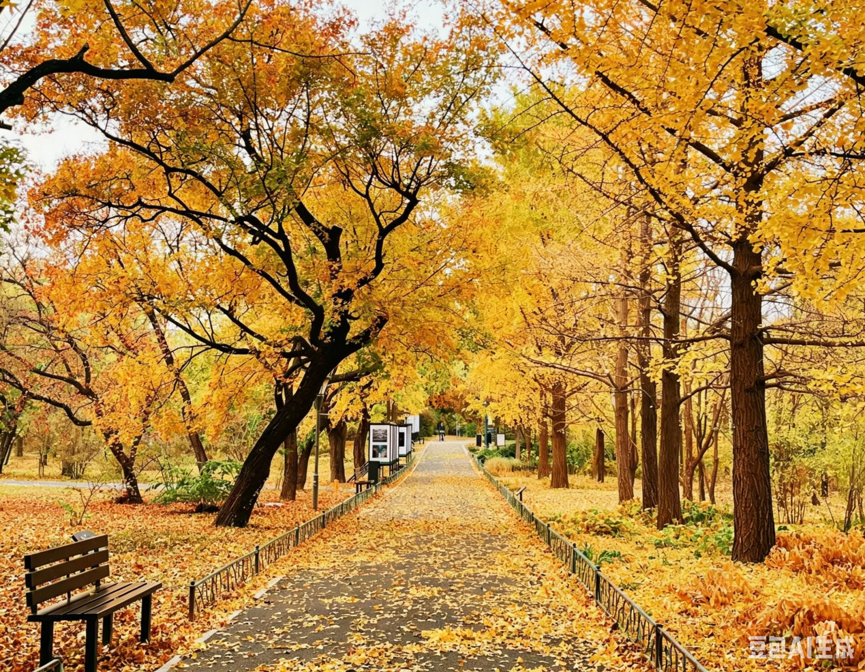
Heng Ge, Institute of Botany of the Chinese Academy of Sciences, discusses her article: Autumn nutrient resorption and twig storage shape spring phenology in woody species When we think about spring phenology, we usually notice the visible signs first: buds swelling, leaves unfolding, and flowers opening. Spring phenology is often discussed as a response to…
- Europe’s wildfires became so intense they created their own stormby Ecology Research News -- ScienceDaily 5 August 2026 at 5:42 am
Historic wildfires scorched huge areas of Spain and France, with one Spanish blaze burning an area about the size of New York City and a French fire generating a rare, towering fire cloud. A dangerous combination of lush winter growth, severe heat, drought, and strong winds helped turn the landscape into explosive fuel.
- Are there patterns behind allocation to clonal offspring?
 by curtislubbe 4 August 2026 at 3:53 am
Curtis Lubbe, Institute of Botany of the Czech Academy of Sciences, discusses their article: Trade-offs and bet-hedging in clonal offspring allocation What about clones? Most angiosperms reproduce clonally in addition to the production of seeds. That is, they form new units of their bodies (rooting units, or ramets): vegetative clonal reproduction, using rhizomes (horizontal belowground stems)…
- Ancient Arctic carbon is pouring into the sea, but the seabed captures most of itby Ecology Research News -- ScienceDaily 3 August 2026 at 1:23 pm
Thawing Arctic permafrost is releasing ancient carbon into the ocean, raising fears that microbes could turn it into greenhouse gases and accelerate climate change. But sediment cores collected near Canada’s Herschel Island reveal a more reassuring twist: most of this land-based carbon becomes buried in the seafloor, while only about 10 percent is converted into gases.
- The landscapes we created hold clues to today’s wildfires
 by Journal of Applied Ecology (The Applied Ecologist) 3 August 2026 at 8:00 am
Wildfires are becoming larger, more frequent and more severe in many parts of the world. In Mediterranean-type regions, extreme wildfires that once seemed exceptional now return every year. According to Copernicus data, over 670,000 hectares burned Spain and Portugal in 2025, mostly during August. Nearly 400,000 hectares burned in Spain alone, the largest area since these records began. These extreme events have led many to …
- AI reveals a massive algae boom across the world’s oceansby Ecology Research News -- ScienceDaily 3 August 2026 at 2:54 am
An AI analysis of 1.2 million satellite images shows that floating algae blooms are spreading across the global ocean. The rapid growth of massive seaweed mats could reshape marine habitats while bringing foul-smelling decay, ecological damage, and economic losses to coastlines.
- A global invasion and divergence in plant-pathogen interactions
 by curtislubbe 31 July 2026 at 3:02 am
Ylva Lekberg, from MPG Ranch, discusses her article: Eco-evolutionary shifts in interactions between a globally invasive plant and belowground putative pathogens coincide with shifts in plant performance Some plant species become invasive in non-native ranges and outcompete native plants, reduce biodiversity, and alter ecosystem functions. Altogether, invasive species cost billions of dollars to manage. We…
- Using machine learning to predict invasion success
 by Journal of Applied Ecology (The Applied Ecologist) 30 July 2026 at 8:00 am
Invasive species are one of the greatest threats to biodiversity, food security, and ecosystem health. When non-native plants spread into new environments, they can outcompete native species, disrupt habitats, and cause long-lasting damage to the natural habitats and the services that ecosystems provide to humans.
- Inteligencia artificial para predecir el éxito de las invasiones biológicasby Journal of Applied Ecology (The Applied Ecologist) 30 July 2026 at 8:00 am
Las especies invasoras representan una de las mayores amenazas para la biodiversidad, la seguridad alimentaria y la salud de los ecosistemas. Cuando las plantas no-nativas se propagan en nuevos ambientes, pueden desplazar a las especies nativas, alterar los hábitats y causar daños severos a los ecosistemas y a los servicios ecosistémicos que estos brindan a los seres humanos.
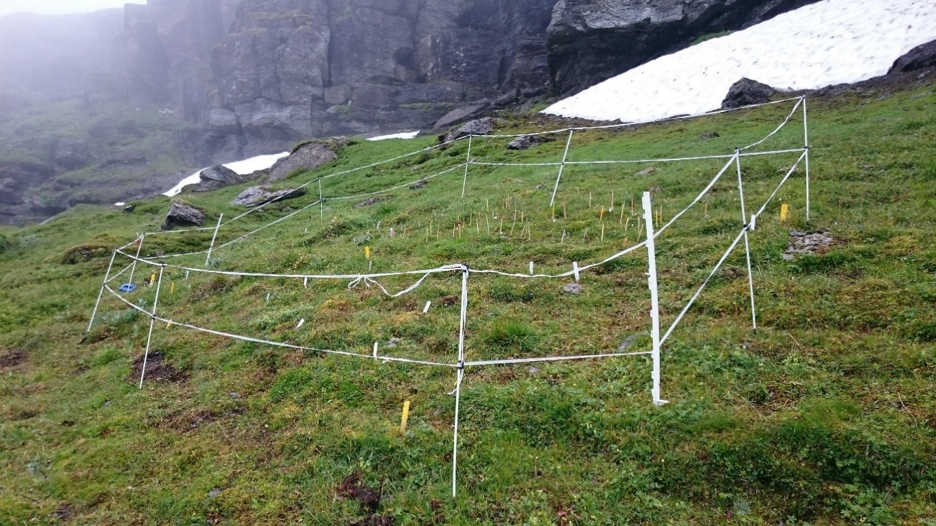
- Shifting plant investment strategies along climatic gradients drive ecosystem carbon cycling in alpine grasslands
 by curtislubbe 30 July 2026 at 5:02 am
Inge Althuizen, Norwegian Research Center AS (NORCE), discusses her article: Climate-induced shifts in plant investment strategies regulate ecosystem carbon cycling across alpine grasslands Alpine ecosystems provide a diversity of ecosystem services, including carbon storage. These cold ecosystems and carbon stored in them are particularly sensitive to climate change. But what are the mechanisms underlying carbon…
- Welcome to our new Associate Editors!
 by adminjournalofecologyorg 29 July 2026 at 12:15 pm
Journal of Ecology is delighted to welcome 63 new Associate Editors to the Editorial Board following our latest open call. Spanning 18 countries, they bring valuable expertise that will help us to continue publishing high-quality, influential papers where plant ecology is central. Find out more about our new editors below: George AdamidisUniversity of Patras, Greece George is…
- Curlew Conservation Engagement Programme
 by Keiron Brown (Blog – Biological Recording) 29 July 2026 at 10:00 am
Working with Curlew Action, we have developed a growing library of Curlew conservation resources, including webinars, workshops and case studies. Discover case studies and research on conservation, farming, land management and headstarting.
- Understanding the harvest of Chilean kelp forests: Moving toward sustainability
 by Journal of Applied Ecology (The Applied Ecologist) 29 July 2026 at 8:00 am
Blog post written by Alejandro Pérez Matus to discuss their latest study which aimed to help us understand kelp recovery after harvesting. This blog post is also available in Spanish here. Humans have been connected to kelp forests for more than 16,000 years. It is hypothesized that these underwater forests helped early coastal communities migrate from northeast Asia to the Americas. Today, the ecosystem services …
- Entendiendo la cosecha de los bosques de macroalgas en Chile: Avanzando hacia la sostenibilidadby Journal of Applied Ecology (The Applied Ecologist) 29 July 2026 at 8:00 am
Entrada de blog escrita por Alejandro Pérez Matus para discutir su último estudio, que tenía como objetivo ayudarnos a entender la recuperación del alga después de la cosecha. Esta publicación del blog también está disponible en inglés aquí. Los humanos hemos estado conectados con los bosques de algas pardas por más de 16.000 años. Se hipotetiza que estos bosques submarinos ayudaron a las comunidades costeras …
- Climate warming doesn’t feel the same for everyone: The contrasted responses of tree saplings to global warming.
 by curtislubbe 28 July 2026 at 4:03 am
Benjamin Roux, University of Bordeaux in France, discusses his article: Tree canopy shapes the survival of oak and beech saplings during the regeneration stage along an elevation-driven temperature gradient The challenges of heatwaves for forest ecosystems As western Europe experiences yet another heatwave, most of the public discussion focuses on how human societies can adapt…
- The best way to save giant sequoias may be more fireby Ecology Research News -- ScienceDaily 26 July 2026 at 1:18 pm
Giant sequoias are built to withstand ordinary fires, but recent extreme wildfires killed thousands of trees that had survived for centuries or even millennia. A new analysis of about 26,400 sequoias found that trees in areas treated with prescribed burns were nearly four times more likely to survive. Researchers estimate the controlled fires prevented about 1,900 deaths and could have saved thousands more if used across every grove.
- Leave The Leaves Project
 by Keiron Brown (Blog – Biological Recording) 25 July 2026 at 7:45 pm
A comparative earthworm survey for The Royal Parks investigating how leaf litter management influences soil biodiversity in Bushy Park and Kensington Gardens, providing evidence to inform future park management.
- Sapperton Wilder Baseline Earthworm Survey
 by Keiron Brown (Blog – Biological Recording) 25 July 2026 at 9:40 am
Discover how a three-year baseline earthworm survey is helping measure soil health and nature recovery at Sapperton Wilder. Learn why earthworms are important indicators of healthy soils, what the survey revealed, and how this baseline will be used to monitor the success of regenerative agriculture and habitat restoration.
- Ancient ferns turned Triassic Europe into a wildfire infernoby Ecology Research News -- ScienceDaily 22 July 2026 at 1:10 pm
Ancient fern savannahs may have transformed parts of Europe into a wildfire-prone inferno during the end-Triassic mass extinction. New fossil evidence suggests the ferns repeatedly regrew after fires, creating fresh fuel that helped prolong the devastation.
- Can Infiltrators be Indicators? Understanding Cuckoo Bumblebees
 by Joss Carr (Blog – Biological Recording) 21 July 2026 at 1:00 pm
Cuckoo bumblebees are obligate parasites that must successfully invade and gain control of a host bumblebee colony to achieve reproductive success. As apex species, these cuckoos have been considered as potential indicator species of healthy bumblebee habitat for some time. However, our limited understanding of cuckoo bumblebee ecology makes it difficult to understand their full impact on host populations and the challenges they face as a group. In this talk, Sofia describes this fascinating host-parasite relationship and presents experiments she has conducted to unravel the complexities of the cuckoo bumblebee lifecycle.
- Ancient mystery on K’gari as world’s largest sand island lakes dried up during rainy eraby Ecology Research News -- ScienceDaily 21 July 2026 at 12:55 pm
Ancient sediment reveals that some of K’gari’s deepest lakes vanished around 7,500 years ago, despite unusually heavy rainfall. The surprising discovery suggests changing winds and future climate shifts could threaten the sacred lakes known as the Eyes of K’gari.